A Review of Implementation Challenges and Potentials of an Interoperable e-Health System in LMICS
Rohan Dhakal*, Aditya Khadka, Saugat Adhikari, Amrit Bhandari and Sushil Shrestha
Department of Computer Science and Engineering, Kathmandu University, Bagmati, Nepal
Published Date: 2025-08-14Rohan Dhakal*, Aditya Khadka, Saugat Adhikari, Amrit Bhandari and Sushil Shrestha
Department of Computer Science and Engineering, Kathmandu University, Bagmati, Nepal
- *Corresponding Author:
- Rohan Dhakal
Department of Computer Science and Engineering, Kathmandu University, Bagmati, Nepal
E-mail:dhakalrohan229@gmail.com
Received date: December 31, 2024, Manuscript No. IPIMP-25-20272; Editor assigned date: January 03, 2025, PreQC No. IPIMP-25-20272 (PQ); Reviewed date: January 17, 2025, QC No. IPIMP-25-20272; Revised date: August 07, 2025, Manuscript No. IPIMP-25-20272 (R); Published date: August 14, 2025, DOI: 10.36648/2574-285X.10.2.91
Citation: Dhakal R, Khadka A, Adhikari S, Bhandari A, Shrestha S (2025) A Review of Implementation Challenges and Potentials of an Interoperable e-Health System in LMICS. J Med Phys Appl Sci Vol:10 No:2
Abstract
E-health solutions in low-income countries are isolated, cater to specific institutions, and cannot share data across organizations. Existing interoperability frameworks don’t work well in these contexts due to various factors. This research investigates the levels of interoperability frameworks for e-Health data integration and data sharing across the globe and how they are in use in different developing countries. Also, the research suggests the potential of FHIR (Fast Healthcare Interoperability Resources) in LMICs (Low-and Middle-Income Countries) for interoperability of EHR (Electronic Health Records). The research uses PRISMA (Preferred Reporting Items for Systematic Reviews and Meta-Analyses) of various articles, papers, and research available on web databases, Google Scholar, JMIR (Journal of Medical Internet Research) and PubMed, etc. of the e-health and interoperability in healthcare to analyze the FHIR potentials in LMIC’s like Nepal for interoperability. The result of the research highlights the levels of inter-operability frameworks for healthcare systems, analyzes the potentials of HL7 FHIR, and suggests its implementation in LMICs like Nepal for interoperability.
Keywords
E-health; Interoperability; Frameworks; LMICs; HL7; FHIR; HER; Developing countries; Nepal
Introduction
Defining e-health
Many low and middle-income countries are increasing the use of ICT (Information and Communication Technology) solutions to improve service delivery [1,2]. This includes e-governance [3] and e-health system [4]. E-health uses the internet and technology to provide and improve healthcare services and information. It connects patients, doctors, and health data like electronic records, all making healthcare more accessible and advanced. It is applied regionally and globally to promote the use of ICT solutions and to advance healthcare services [5]. Ehealth systems are intended to help healthcare professionals in achieving the improvement of healthcare quality that they provide to the citizens [6]. The use of ICT solutions in the health sector focuses on improving three main areas, namely, healthcare information systems for better access and management of information related to health; better diagnosis for improved treatment; and communication for better interaction among health workers and the general public [7].
Defining interoperability
According to HIMSS, Interoperability is the ability of computer systems, devices, and programs to easily share and use information together (Table 1), across different organizations and locations which helps provide quick and smooth access to information for the well-being of individuals and populations around the world [8].
| Category | Description | Examples |
| Vocabulary/Terminology | Define concepts unambiguously for communication | CPT®, ICD-10, LOINC®, SNOMED-CT, RxNorm |
| Content | Structure and organization of electronic messages | C-CDA, HL7 V2, CDA® |
| Transport | Format of messages exchanged, document architecture, etc. | DICOM, Direct Standard™, FHIR®, IHE Profiles |
| Privacy and Security | Protect individuals’ right to control health information | HIPAA, GDPR |
| Identifiers | Uniquely identify patients and providers | EMPI, MRN, NCSBN ID, NPI, OID |
Table 1: Health standards identifier.
Research questions
The following are the research questions developed for the study:
• What are the levels of interoperability frameworks for e-health data integration and data sharing across the globe?
• What are the challenges to the implementation of e-health interoperability in LMICs like Nepal?
• What are the potentials of HL7 (Health Level Seven) FHIR in LMICs like Nepal for interoperability of EHR?
Materials and Methods
Research approach
The systematic literature review used the PRISMA framework to systematically identify, select, and include relevant literature [9], as illustrated in Figure 1. Initially, we developed a series of research questions to guide our search. Once the research questions were established, we formulate a set of keywords to search for relevant articles.
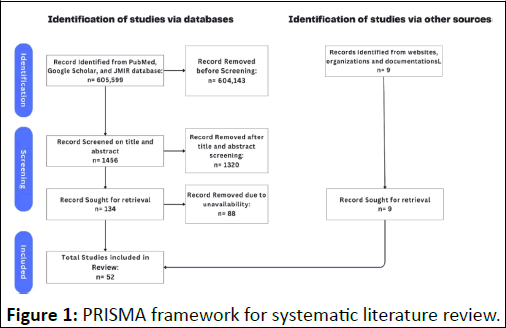
Figure 1: PRISMA framework for systematic literature review.
Search strategies used in article selection
To search for the article in the Google Scholar, JIMR and PubMed database, the following keywords were used: “Ehealth” OR “digital health” OR “interoperability” OR “LMIC” OR “FHIR” OR “fast healthcare interoperability resources” OR “SMART on FHIR” OR “potentials of FHIR” “interoperability frameworks” OR “healthcare” OR “EHR” OR “electronic health record” OR “challenges” OR “implementation” OR “digital health” OR “Nepal” OR “FHIR for interoperability” OR “e-health interoperability” OR “challenges of e-health” OR “future of FHIR”.
Results of article selection
Using a PRISMA approach [9], the researchers produced 1,456 unique articles after removing duplicates. Applying inclusion/ exclusion criteria based on abstracts led to the exclusion of 1320 articles, resulting in 56 for detailed analysis, which includes 9 websites or organizational documentation. Figure 2 depicts the distribution of relevant papers from 2001 to 2023 and Figure 3 shows the context of research distribution. Papers before year 2013 were selected due to their relevance and higher number of citations. Other papers were also selected based on the greater number of citations and their relevance in today’s date. The researchers chose to divide the papers according to five main topics: (1) e-health and interoperability; (2) HL7 FHIR; (3) ehealth and challenges of its implementation in LMICs; (4) Level of interoperability; and (5) Global healthcare interoperability.
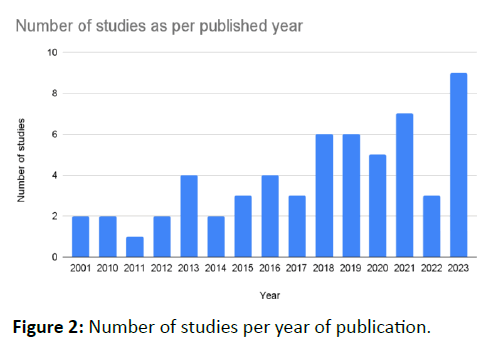
Figure 2: Number of studies per year of publication.
Results and Discussion
Global healthcare interoperability
Estonia is the first country to implement electronic health records. In 2018, Estonia experienced significant achievements with a remarkable adoption rate of electronic medical subscriptions that exceeded 99 percent. The nation’s X-Road inter-operability layer seamlessly links more than 2,700 services spanning 700 institutions and enterprises across various sectors, including healthcare. The UK (United Kingdom) initially followed the HL7 version 3 standard for healthcare, and now it’s transitioning to HL7 FHIR. However, the specific implementation at the local level is left to individual healthcare providers, many of whom are already using different versions of HL7 version 2. Canada initiated a national Infoway project aimed.
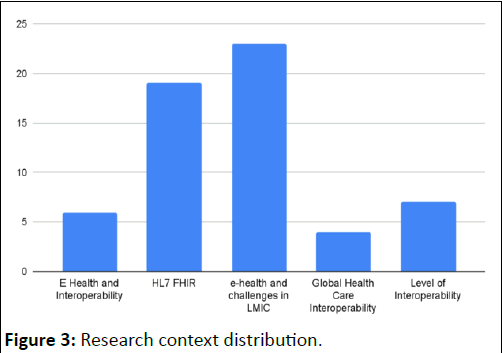
Figure 3: Research context distribution.
At standardizing and promoting collaboration among healthcare solutions across the country. Denmark successfully implemented a national healthcare program using CEN TC251 standards for various processes. In the United States, however, the adoption of electronic medical records was limited, with only 15 to 20 percent of doctors having access to them, according to a 2008 report.
Levels of interoperability frameworks
There are four levels of interoperability framework for healthcare data integration and data sharing as shown in Figure 4 below.
Technical or foundational level
This level establishes the inter connectivity requirements needed for one system or application to securely communicate data to and receive data from another. Technical interoperability is not difficult to achieve with enough previous studies and the health information must be computerized for a seamless exchange of health records.
Syntactic level
Syntactic interoperability defines the format, syntax, and organization of data exchange including at the data field level for interpretation. Syntactic interoperability involves standardizing the format of exchanged information, using a designated format like XML. Reusability is crucial, and HL7 FHIR is recognized for its outstanding reusability in healthcare. Unlike previous standards, FHIR’s use of resources” enhances the ability to extract and reuse specific healthcare data components, and also includes a validation process to ensure exchanged data adheres to specified format rules.
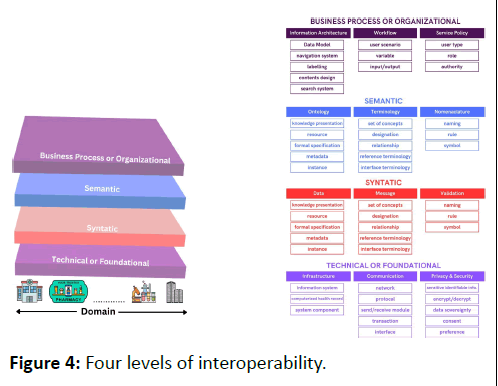
Figure 4: Four levels of interoperability.
Semantic level
Semantic Interoperability (SI) ensures that when different organizations or systems share data, everyone understands and interprets the information in the same way and it uses common concepts, context knowledge, and formal data representation to make sure there’s a shared understanding. The semantic level allows one to work with terminologies, vocabularies, and standardized values publicly defined and makes a complete understanding of the meaning.
Organizational or business process level
Organizational interoperability includes governance, policy, social, legal, and organizational considerations to facilitate the secure, seamless, and timely communication and use of data both within and between organizations, entities, and individuals and these components enable shared consent, trust, and integrated end-user processes and workflows. This level of interoperability could prevent errors in preferential mistakes due to cultural differences between countries.
E-health and its implementation challenges in LMICs
World Health Organization found that less than 5 percent of the health expenditure is allocated to e-health initiatives in low and middle-income countries. LMICs still struggle with implementation of patient-level interoperability projects, which have limited record successes. In the context of LMIC like Nepal, where 83 percent of the population resides and a quarter is below the poverty line, access to healthcare is hampered by factors such as challenging terrain and limited health infrastructure. Recent data indicates that the majority of Nepalese (92.54 percent) require 15 minutes of motorized travel or 60 minutes of walking to reach healthcare facilities. In the late 1990’s, Nepal established the Telecom Act and the National Telecommunication Policy and the introduction of the HealthNet in 1995, aimed to provide affordable internet services for access to healthcare. Subsequently, the Nepal Wireless Project and Hello- Health in 2002 focused on providing access to ICT and digital health services in remote areas.
However, despite these efforts, the adoption rate of e-health in LMICs is slow and is underutilized. The challenges abound, with technical challenges and governance challenges. The adoption and implementation of e-health services have various complex challenges in LMIC countries such as technical aspects, interoperability, governance or organizational aspects, etc. and informational aspects as shown in Table 2.
| Aspect | Challenges |
| Technical | Challenges related to connecting computer systems and services across different organizations to facilitate collaboration and data sharing. |
| Organizational | Issues such as dealing with budgeting, financing, coordinating institutional stakeholders to garner their support, and ensuring strict adherence to laws, regulations, and standards. |
| Information | Issues related to how different systems comprehend the format, meaning, and quality of the exchanged information. This includes inconsistent data structures and a lack of standardized mechanisms that can facilitate data sharing. |
Table 2: Challenges to the implementation of interoperable e-health systems in LMICs.
HL7 FHIR for interoperability of EHR in LMICs
HL7 is a prominent and widely accepted standard in health information technology. The term level 7 in its name denotes its position in the OSI model, specifically focusing on the application layer. HL7 is like a universal packing and shipping system for healthcare data. It defines how to label, protect, and send patient information between different systems, ensuring everyone speaks the same language and the right info gets to the right place, making better healthcare coordination and fewer errors possible.
The healthcare landscape is increasingly characterized by a multitude of disparate Electronic Health Record (EHR) systems, often hindering optimal patient care due to limited interoperability. To address this challenge, Health Level Seven (HL7) emerges as a crucial standard facilitating the exchange of standardized healthcare data between diverse systems. In essence, HL7 functions as a universal translator, enabling seamless communication across clinical settings. For instance, HL7 facilitates the secure and efficient transfer of a patient’s medical history from their previous health-care provider to a new clinic, circumventing the cumbersome practice of faxing or manually entering data. This real-time access to crucial information empowers clinicians to make informed decisions, reduce medication errors, and ultimately deliver enhanced patient care.
RESTful principles provide a lightweight and scalable approach to enable communication between disparate systems. RESTful APIs facilitate the exchange of healthcare data through standardized HTTP methods, promoting simplicity and flexibility. In E-health, REST APIs act as the bridge, allowing diverse applications and systems to communicate efficiently.
The main objective of FHIR is to reduce implementation complexity without losing information integrity. Moreover, this new standard combines the advantages of the previous HL7 (v2, v3, and CDA (Clinical Document Architecture)) standards and is expected to overcome their limitations. FHIR allows the developers to develop standardized browser applications that enable the user to access clinical data from any healthcare system regardless of the operating systems and devices that a healthcare system uses. For example, a user runs an application on the browser and will access data from a healthcare system using any device, whether it is running on a desktop, smartphone, Windows, Android, or Linux operating system.
The SMART on FHIR implementation is a major beneficiary of the FHIR standard. It establishes a framework for health apps to connect securely to Electronic Health Record (EHR) systems, ensuring appropriate security measures. FHIR-based mobile apps have been seamlessly integrated into hospital workflows to showcase the portability of medication and vaccine lists with Electronic Health Records (EHR). FHIR helps solve important problems that hold back the widespread use of clinical decision support by addressing issues like entering the same data multiple times and integrating it smoothly into clinical workflows. The r esear ch high-lights that clinical trial registries benefit from using HL7 FHIR as a standardized format, providing a harmonized view of study information and enhancing transparency in medical research by making results publicly available.
Interoperability in e-health is crucial for seamless data exchange and collaborative healthcare delivery. The combination of Representational State Transfer (REST) API and Fast Healthcare Interoperability Resources (FHIR) stands out as a powerful solution to address this imperative. Figure 5 shows the FHIR REST service architecture.
The representation of a patient’s health information in FHIR (Fast Healthcare Interoperability Resources) is encapsulated in the Patient resource. Figure 6 is a JSON snippet illustrating the structure of an FHIR Patient record. This structured representation adheres to FHIR standards, providing a comprehensive overview of key patient-related data points. The elements encompass identifiers, demographic details, contact information, and relationships, contributing to the interoperability and exchange of healthcare data. The Taiwan Innovative Application contributes to the advancement of global healthcare technology by developing an interoperable platform for Personal Health Records (PHRs) based on international standards, particularly HL7 FHIR. FHIR standards were used at the Georges Pompidou European Hospital to facilitate the reuse of EHR data for clinical research and to address the challenges of querying operational databases relying on EHRs by integrating the FHIR layer.
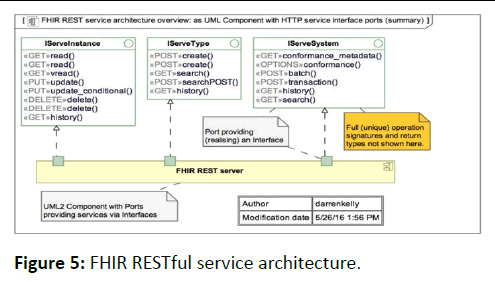
Figure 5: FHIR RESTful service architecture.
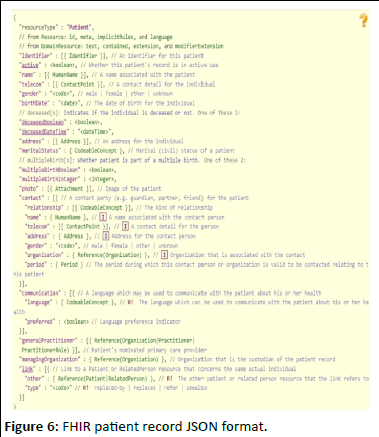
Figure 6: FHIR patient record JSON format.
Over the i2b2 clinical data warehouse. The potential of FHIR for interoperability of Electronic Health Records (EHR) in Low and Middle-Income Countries (LMICs) lies in its ability to standardize data representation, offer flexibility for unique data requirements, enable efficient data transformation, facilitate data sharing opportunities, and democratize participation in global clinical research initiatives. These aspects make FHIR a promising framework for improving EHR interoperability in LMICs and enhancing their engagement in global health data initiatives.
FHIR is set to revolutionize healthcare by improving reliability, standardization, and data exchange and also, empowers researchers and developers, transforming the industry into a hub for innovation and continuous improvement, essential for economic development and computer engineering research in LMIC’s like Nepal.
Conclusion
The researchers explore healthcare interoperability worldwide, focusing on adoption and challenges in countries like Estonia, the UK, Canada, Denmark, and the United States. The study explores the four levels of the interoperability frameworks, including technical, syntactic, semantic, and organizational/business process levels, revealing the complexity of achieving seamless data integration in healthcare. The challenges faced by low and middle-income countries, like Nepal, are discussed, including technical issues, organizational or governance issues, and difficulties in managing information.
The systematic literature review shows HL7 FHIR as a promising solution, acting as a common language for diverse health systems because of FHIR’s versatility in integrating Electronic Health Records (EHRs), coupled with its support for efficient data sharing and innovative technologies like SMART on FHIR, noted for using innovative technologies, related to smart methods for effective health data exchange. With the implementation of FHIR by Taiwan Innovative Application.
Georges Pompidou European Hospital to facilitate the reuse of EHR. Thus, it can be said that HL7 FHIR has significant potential, particularly in low and middle-income countries, by making health data sharing more efficient, ultimately contributing to improved healthcare and overall progress.
Future research
Future research possibilities involve a more globally inclusive comparative analysis, longitudinal studies to track evolving trends, exploration of user perspectives, investigation into policy and governance impact, examination of emerging technologies, and dive deeper into the implementation challenges in Low and Middle-Income Countries (LMICs), and assessments of health outcomes resulting from interoperability.
Conflict of Interest
The authors declare no conflict of interest in this research
References
- Ponelis SR, Holmner MA (2015) ICT in Africa: Building a better life for all. Inf Technol Dev 21:163-177
- Stanley TD, Doucouliagos H, Steel P (2018) Does ICT generate economic growth? A meta-regression analysis. J Econ Surv 32:705-726
- Eysenbach G (2021) What is e-health? J Med Internet Res 3:e833
[Crossref] [Google Scholar] [PubMed]
- Ariani A, Koesoema AP, Soegijoko S (2017) Innovative healthcare applications of ICT for developing countries. In Innovative healthcare systems for the 21st century (pp. 15-70). Cham: Springer International Publishing
- Page MJ, McKenzie JE, Bossuyt PM, Boutron I, Hoffmann TC, et al. (2021) The PRISMA 2020 statement: an updated guideline for reporting systematic reviews. BMJ 372
- Tiik M, Ross P (2010) Patient opportunities in the Estonian Electronic Health Record System. Stud Health Technol Inform 156:171-177
[Google Scholar] [PubMed]
- Chukwu E, Garg L, Obande-Ogbuinya N, Chattu VK (2022) Standardizing primary health care referral data sets in Nigeria: practitioners' survey, form reviews, and profiling of fast healthcare interoperability resources (FHIR). JMIR Form Res 6:e28510
[Crossref] [Google Scholar] [PubMed]
- Greenhalgh T, Stramer K, Bratan T, Byrne E, Russell J, et al. (2010) Adoption and non-adoption of a shared electronic summary record in England: a mixed-method case study. BMJ 340
[Crossref] [Google Scholar] [PubMed]
- Lee AR, Kim IK, Lee E (2021) Developing a transnational health record framework with level-specific interoperability guidelines based on a related literature review. Healthcare 9:67
[Crossref] [Google Scholar] [PubMed]

Open Access Journals
- Aquaculture & Veterinary Science
- Chemistry & Chemical Sciences
- Clinical Sciences
- Engineering
- General Science
- Genetics & Molecular Biology
- Health Care & Nursing
- Immunology & Microbiology
- Materials Science
- Mathematics & Physics
- Medical Sciences
- Neurology & Psychiatry
- Oncology & Cancer Science
- Pharmaceutical Sciences